
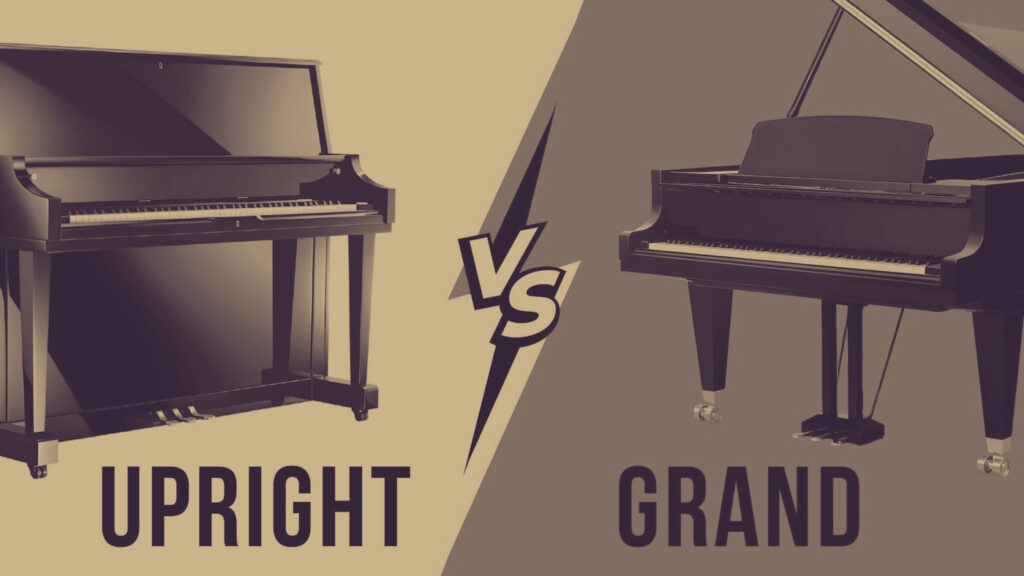
When it comes to choosing a piano, one of the most common questions is whether to go for an upright piano or a grand piano. Both types offer unique features and benefits, but understanding the differences can help you make an informed decision that suits your space, style, and musical goals.
Upright Piano vs Grand Piano: Size and Design
One of the most noticeable differences between an upright and a grand piano is their size and shape. Upright pianos are compact, with vertical strings and hammers, making them ideal for smaller homes or apartments. They are designed to save space while still providing a full piano experience.
Grand pianos, on the other hand, are larger and more horizontal, with strings and hammers positioned flat. This design allows for a longer string length and larger soundboard, producing richer, more resonant tones. Grand pianos are often found in concert halls and professional studios due to their superior sound quality.
Sound Quality and Tone
Sound is another major differentiator. Grand pianos deliver a more powerful, nuanced tone, offering greater dynamic range and expressive capabilities. The horizontal action of the keys allows for faster repetition, making it easier for pianists to perform complex passages with precision.
Upright pianos provide a solid, clear sound, but they may lack the depth and resonance of a grand piano. Advances in piano engineering have made high-quality upright pianos capable of producing impressive tones suitable for practice, teaching, and small performances.
Action and Playability
The action, or the mechanism that produces sound when keys are pressed, differs significantly between the two types. Grand pianos have a direct downward hammer motion, giving pianists more control over dynamics and expression. Upright pianos use a vertical action, which can slightly reduce responsiveness, especially in faster pieces.
Cost and Maintenance
Cost is often a deciding factor. Upright pianos are generally more affordable and easier to maintain, making them a popular choice for beginners and home use. Grand pianos are typically more expensive due to their size, craftsmanship, and superior sound quality. Maintenance can also be more complex, but for professional musicians, the investment is often worth it.
Aesthetic Appeal
While sound and performance are critical, aesthetics also play a role. Upright pianos fit discreetly in homes and come in various finishes, while grand pianos make a striking centerpiece in any room. The presence of a grand piano often adds an elegant, luxurious feel to a space, appealing to both musicians and interior design enthusiasts.
Choosing the Right Piano
When deciding between an upright and a grand piano, consider your available space, budget, playing style, and long-term goals. Upright pianos are perfect for compact spaces and beginners seeking a practical, cost-effective option. Grand pianos are ideal for serious musicians, performers, and those who value superior sound and expression.
Conclusion
Both upright and grand pianos have unique advantages. By understanding their differences in size, sound, playability, cost, and aesthetics, you can choose the piano that best fits your lifestyle and musical aspirations. Whether you prioritize space-saving practicality or professional-quality performance, there’s a perfect piano waiting for you.


Leave a reply