
So you’ve decided to bring a piano into your home — congratulations! Now comes the big question that every buyer faces: grand piano or upright piano?
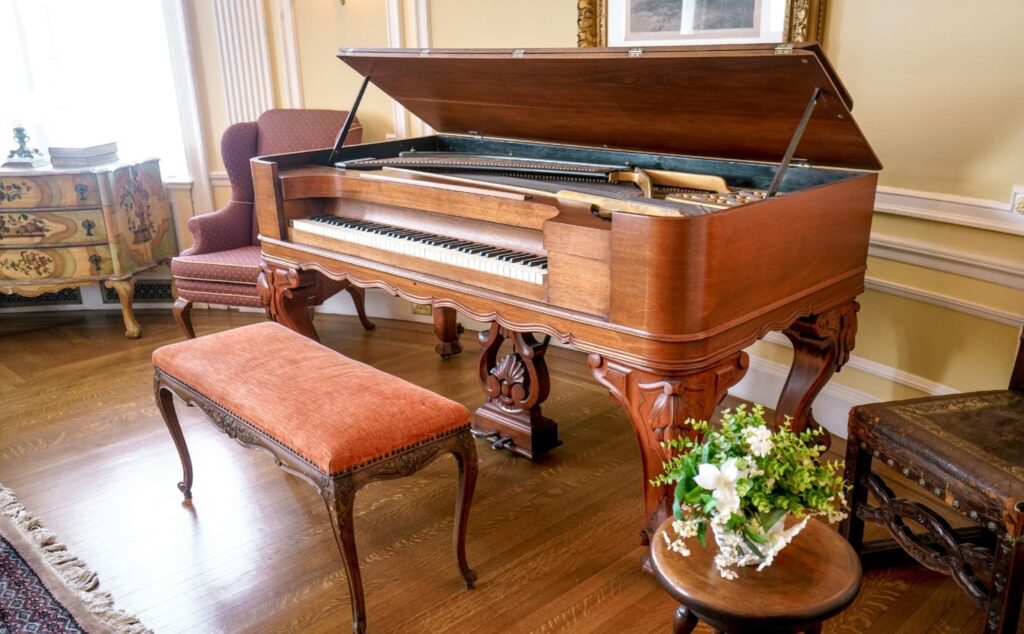
It’s not just about looks (though that matters too). The right choice depends on your space, your budget, your skill level, and how you plan to use the instrument. In this guide, we’ll break down everything you need to know so you can make a confident, informed decision.
What’s the Difference Between a Grand and Upright Piano?
Before diving into pros and cons, let’s clarify what sets these two types apart.
An upright piano (also called a vertical piano) has strings and a soundboard that run vertically. The action mechanism sits in front of the strings, making the instrument compact and ideal for smaller spaces.
A grand piano has strings and a soundboard that run horizontally, with the lid opening upward. The action uses gravity to return the hammers, which gives it a more responsive touch and typically a fuller, richer sound.
Both produce beautiful music — but they’re built differently, feel different to play, and serve different needs.
Grand Piano vs. Upright Piano: A Side-by-Side Comparison
| Feature | Grand Piano | Upright Piano |
|---|---|---|
| Size | 4’6″ to 9’+ | 36″ to 52″ tall |
| Sound Quality | Fuller, more resonant | Good, especially in taller models |
| Touch & Action | Superior repetition action | Slightly less responsive |
| Price Range | $5,000–$200,000+ | $1,500–$20,000+ |
| Space Required | Medium to large room | Small to medium room |
| Best For | Serious players, large rooms | Beginners to advanced, most homes |
Upright Pianos: Pros and Cons
Pros of an Upright Piano
1. Space-Efficient Design
Uprights fit comfortably against a wall, making them ideal for apartments, condos, living rooms, and practice studios. Even a full-size upright takes up far less floor space than the smallest baby grand.
2. Lower Price Point
A quality upright piano is significantly more affordable than a comparable grand. For families just getting started or students on a budget, uprights offer excellent value without sacrificing musical quality.
3. Easier Maintenance
Uprights are generally easier and less expensive to tune and maintain. Their more compact design also makes moving them more manageable (though you should always hire professional piano movers!).
4. Great Sound for Most Players
Modern upright pianos — especially studio and professional models — produce a rich, warm tone that’s more than adequate for beginner, intermediate, and even advanced players.
Cons of an Upright Piano
- The vertical action mechanism makes very fast repeated notes slightly harder to execute
- The soundboard is smaller, so the sound won’t fill a large concert hall
- Less visually dramatic than a grand
Grand Pianos: Pros and Cons
Pros of a Grand Piano
1. Superior Sound Quality
The horizontal string layout and larger soundboard allow a grand piano to project sound more fully and with greater dynamic range. The difference is most noticeable in large rooms.
2. Better Key Action and Repetition
Grand pianos use a double escapement action, which allows hammers to reset faster. This means you can repeat notes more quickly — a huge advantage for advanced techniques like trills and fast runs.
3. A Stunning Centerpiece
Let’s be honest: a grand piano is breathtaking. It transforms a room into something special. For many buyers, the aesthetic value is a meaningful part of the purchase.
4. Long-Term Investment
High-quality grand pianos from makers like Steinway, Yamaha, and Bösendorfer hold their value well over time, making them a sound long-term investment.
Cons of a Grand Piano
- Requires significantly more floor space (even a “baby grand” needs roughly 5′ x 7′ of clearance)
- Higher purchase price and tuning/service costs
- More complex to move
How to Choose: 5 Key Questions to Ask Yourself
1. How much space do you have?
Measure your room before anything else. A baby grand piano typically needs a room of at least 10′ x 10′ to sound and look its best. If you’re working with a smaller living room or a bedroom, an upright is almost certainly the smarter choice.
2. What’s your budget?
Be honest with yourself. A well-made upright piano in the $3,000–$6,000 range will serve most players beautifully. If your budget stretches to $10,000 or more — and your space allows — a used baby grand could be within reach.
3. What’s your skill level?
Beginners and intermediate players will thrive on a quality upright. The difference in touch and action becomes more noticeable at the advanced level, where a grand piano’s responsive action makes a real difference in technique.
4. Who will be playing?
If you have young children taking lessons, an upright is ideal — it’s practical, durable, and fits any family home. If you’re a serious adult player or a musician who performs, a grand might be worth the investment.
5. What’s most important to you?
Sound? Space-efficiency? Aesthetics? Resale value? Knowing your priorities helps narrow the decision quickly.
What About Baby Grand Pianos?
Baby grands are a popular middle-ground option — smaller than a full-size grand but offering the horizontal string layout and enhanced action. They typically range from 4’6″ to 5’6″ in length.
If you love the idea of a grand piano but don’t have the space for a full-size model, a baby grand is worth serious consideration. Just keep in mind that smaller grands sacrifice some of the tonal depth of larger models — the soundboard is smaller, which limits bass resonance.
Our Recommendation
Choose an upright if:
- You’re a beginner or intermediate player
- Your space is limited
- You want the most piano for your budget
- You have kids who are taking lessons
Choose a grand if:
- You’re an advanced player or serious musician
- You have a large room with open floor space
- You’re looking for a stunning visual statement
- You’re willing to invest more for a premium experience
Come Try Both In Our Showroom
The best way to decide is to sit down and play both. At DFW Piano Gallery, we carry a wide selection of grand and upright pianos at every price point — from beginner-friendly uprights to concert-quality grands. Our team is happy to walk you through the options and find the perfect fit for your home and your musical journey.
Visit us in Dallas, TX | 972-490-5397
No pressure, no rush — just great pianos and honest advice.
Have questions about choosing between a grand and upright piano? Drop them in the comments below — we’d love to help!

