
By DFW Piano Gallery | Dallas–Fort Worth, TX
Benefits of Playing Piano for Adults: What Science Says About Music and the Brain
The benefits of playing piano for adults go far beyond learning a new hobby. Science now shows that sitting down at the keys rewires your brain, sharpens your memory, lowers stress hormones, and may even protect against dementia — at any age. Whether you’re 35 or 65, picking up the piano is one of the most powerful things you can do for your long-term cognitive health.
At DFW Piano Gallery, we work with adult beginners every week — people who walked in curious and walked out with an instrument and a new chapter of their life. This post is for every adult who has ever wondered: is it too late for me?
The answer, backed by science, is an emphatic no.
Your Brain Was Built for This
Before diving into the specific benefits of playing piano for adults, it helps to understand one foundational idea: your brain never stops changing. This property — called neuroplasticity — means the brain reorganizes itself throughout your entire life, forming new neural connections in response to learning and experience.
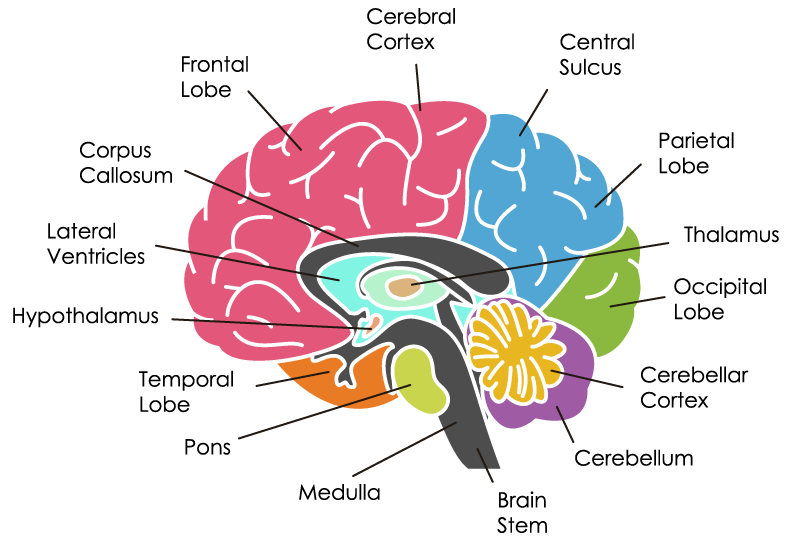
Music is one of the most powerful neuroplasticity triggers known to science. Unlike most activities, playing an instrument activates virtually every region of the brain simultaneously — the auditory cortex processes sound, the motor cortex controls movement, the visual cortex reads notation, the prefrontal cortex manages timing and decision-making, and the limbic system responds emotionally.
Neuroscientist Anita Collins, whose TED-Ed talk on music and the brain has been viewed over 20 million times, describes playing a musical instrument as the equivalent of a full-body workout for the brain. No other single activity comes close to engaging as many neural systems at once.
The 8 Proven Brain Benefits of Playing Piano as an Adult
1. It Builds New Neural Pathways
Every time you practice piano, you’re literally rewiring your brain. Learning to coordinate both hands independently while reading music, maintaining rhythm, and interpreting dynamics requires your brain to form new synaptic connections — and to strengthen them through repetition.
Research published in Neuropsychologia found that even short-term musical training produces measurable changes in brain structure and function. The corpus callosum — the thick bundle of nerve fibers connecting the brain’s left and right hemispheres — grows denser in musicians, enabling faster and more efficient cross-brain communication.
For adult learners, this means piano practice isn’t just building a musical skill. It’s upgrading the hardware your brain uses for everything else.
2. It Dramatically Improves Memory
One of the most well-documented benefits of playing piano for adults is what it does to memory. Piano practice engages two distinct memory systems simultaneously: procedural memory (how to physically execute a passage) and declarative memory (what the notes are and how they relate). This dual activation strengthens both systems — and the benefits extend well beyond music.
A landmark study from the University of Toronto found that older adults who received piano lessons showed significantly greater improvements in memory, verbal fluency, and processing speed compared to a control group. Participants reported feeling sharper, more articulate, and better able to recall names and details in everyday life.
3. It Protects Against Cognitive Decline and Dementia
This may be the most striking finding in the entire body of research: musical training is one of the strongest known protectors against age-related cognitive decline. A study published in Neuropsychology found that adults with even modest musical training showed significantly lower rates of cognitive decline compared to non-musicians of the same age — and the effect held for people who began lessons in middle age or later.
Researchers at the NIH have also found that music engagement builds what they call “cognitive reserve” — essentially a buffer of extra neural capacity the brain draws on when it begins to experience age-related deterioration. The more you play, the more reserve you build.
4. It Rewires Your Relationship with Stress and Anxiety
Studies measuring cortisol levels before and after musical performance have found consistent reductions following piano playing. A University of Bath study found that adult beginners who took just 11 weeks of piano lessons reported significantly lower levels of depression, anxiety, and stress compared to before they started — benefits that extended into everyday life, not just during playing.
Playing piano activates the parasympathetic nervous system — the body’s “rest and digest” mode — producing a measurable, physical calm. For adults managing high-pressure careers or caregiving responsibilities, this effect alone is worth the investment.
5. It Sharpens Focus and Executive Function
Executive function covers planning, attention control, mental flexibility, and managing competing demands. Piano practice is executive function training in its purest form — every session requires you to attend to melody, harmony, rhythm, dynamics, fingering, and phrasing simultaneously, while making real-time adjustments.
Research from Northwestern University found that musicians consistently outperform non-musicians on tests of executive function, and that this advantage is directly linked to years of musical training. The improvements begin with the very first lessons and grow steadily with practice.
6. It Enhances Fine Motor Skills and Hand-Brain Coordination
The precision demanded by piano — the independence of each finger, the subtle gradations of touch pressure — requires an extraordinary degree of fine motor control. Developing that control strengthens the neural pathways between the motor cortex and the hands, with effects that extend to everyday dexterity.
For older adults in particular, this benefit is clinically meaningful. Several physical therapists now recommend piano playing as a supplementary therapy for adults recovering from stroke or managing early-stage neurological conditions, precisely because of its targeted effect on hand-brain coordination.
7. It Elevates Emotional Intelligence and Self-Awareness
Music is the language of emotion, and learning to play it is an exercise in emotional literacy. To interpret a piece — to decide how fast or slow, how loud or soft — you have to understand what emotion you’re conveying and why. This kind of emotional reasoning, practiced regularly, transfers into everyday life. Adults who play piano consistently report greater self-awareness, more nuanced empathy, and an improved ability to communicate feelings.
8. It Delivers a Lasting Boost in Self-Confidence
The benefits of playing piano for adults aren’t only neurological — they’re deeply personal. When you sit down and play a piece you couldn’t play last month, you don’t need anyone to tell you you’ve improved. You feel it. That experience of measurable, self-directed growth — especially in a domain many adults assumed was closed to them — produces a ripple effect of confidence that touches every area of life.
Busting the Myths About Adult Piano Learning
“My brain is too old to learn something this complex.” The research says otherwise. Adult learners bring compensating strengths: stronger intrinsic motivation, superior conceptual reasoning, and a richer emotional foundation for interpreting music. Most adult beginners progress faster than they expect.
“I’d need to practice for hours every day.” Twenty to thirty minutes of focused, consistent daily practice is enough to make real progress. Consistency matters far more than marathon sessions, and the brain consolidates learning during sleep.
“I need to learn to read music before I can play anything enjoyable.” Many adult learners play songs they love within the first few weeks using chord-based or ear-based approaches, building formal reading skills in parallel at a natural pace.
“I missed my window — music is for people who started young.” The benefits of playing piano for adults are available at any age. The goal for most adult learners isn’t Carnegie Hall — it’s the joy of playing music, the cognitive rewards of doing so, and the satisfaction of mastering something genuinely challenging. That window never closes.
How to Start: A Practical Guide for DFW Adults
Choose the right instrument For serious adult beginners, a keyboard with fully weighted, touch-sensitive 88 keys is the minimum. Unweighted keys don’t build the finger strength or control needed for acoustic playing and create habits that are difficult to undo. Quality digital pianos from Yamaha, Kawai, and Roland offer excellent starting points. If space and budget allow, a quality acoustic upright opens dimensions of touch and tone that digital instruments can approximate but not fully replicate. At DFW Piano Gallery, our team’s only goal is helping you find the right fit — not the most expensive option.
Find a teacher who works with adults Adult learners have different needs than children. Look for an instructor with explicit experience teaching adults, a flexible curriculum, and a willingness to incorporate music you actually love. The Dallas–Fort Worth area has an exceptional community of independent piano teachers — ask us for a referral.
Set a realistic practice rhythm Commit to 20–30 minutes daily rather than longer sessions a few times a week. Keep your piano in a visible, accessible place — instruments that live in spare rooms get played less.
Give yourself a full year The first three months are the steepest part of the curve. Push through it. By month six, most adult beginners are playing complete pieces. By month twelve, the brain benefits of playing piano for adults described in this post are measurable — and the joy of playing is real.
Come Find Your Piano at DFW Piano Gallery
DFW Piano Gallery is a specialty piano showroom serving the entire Dallas–Fort Worth metroplex — from Plano and Frisco to Fort Worth and Arlington. We carry a carefully curated selection of new and pre-owned acoustic and digital pianos, and every member of our team is passionate about helping adults begin their musical journey.
Whether you know exactly what you want or have no idea where to start, our showroom is a place to sit down, play, ask questions, and leave with clarity. No pressure. No overselling. Just pianos and people who love them.
Your brain is ready. The instrument is waiting.
📍 Serving Dallas · Fort Worth · Plano · Frisco · Irving · Arlington · Southlake · McKinney
References:
1. Anita Collins — TED-Ed: “How Playing an Instrument Benefits Your Brain”
2. NIH/PubMed — Music Engagement as Cognitive Reserve (dementia/brain aging study)
This PubMed review evaluates evidence that music engagement builds cognitive reserve and helps preserve neurocognitive function in older adults at risk of age-related and neuropathological cognitive decline.3. NIH/PMC — Piano Lessons, Mood & Cognitive Function in Older Adults (the mental health study)
This NIH study found that piano lessons decreased depression, induced positive mood states, and improved psychological and physical quality of life — and suggested that playing piano can promote cognitive reserve in older adults.Bonus — University of Bath piano study (depression & anxiety, 11-week trial):
This study found that after just 11 weeks of one-hour piano lessons per week, adult beginners reported significant reductions in depression, stress, and anxiety compared to before the training. Worth adding as a fourth link — it’s very readable and compelling for a general audience.

